Keys Decorative Elements: A Strategic Tool for Enhancing Visual Storytelling and Brand Identity
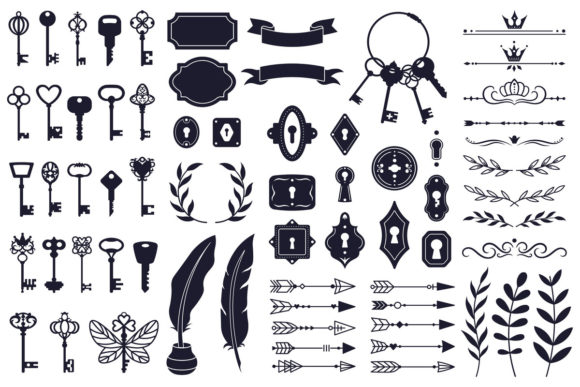
Keys Decorative Elements is a design resource that brings together a curated set of retro-victorian imagery, including padlocks, old keys, stylized arrows, and other symbolic elements. This collection is not just an aesthetic choice—it's a strategic tool that can be used to enhance visual storytelling, reinforce brand identity, and create a sense of nostalgia or mystery in your projects.
Why Keys Decorative Elements Are Strategically Useful
The use of Keys Decorative Elements can serve multiple purposes depending on the context of your project. Whether you're working on branding materials, packaging designs, digital illustrations, or even print media, these elements can add depth and meaning to your work.
For instance, if you're designing a product line that targets a vintage or antique market, incorporating Keys Decorative Elements can help align your visuals with the desired theme. Similarly, if you're creating content for a security-related service, using padlock imagery can subtly communicate trust and safety without needing explicit messaging.
These decorative assets are also versatile in their application. The included EPS10 file allows for high-quality scalability, making it suitable for both print and digital use. The 72ppi resolution JPEG serves as a preview, ensuring that you can visualize the final output before committing to a design.
Strategic Use Cases for Keys Decorative Elements
When considering how to integrate Keys Decorative Elements into your workflow, it's important to think about the goals of your project. Here are some strategic use cases:
- Brand Identity Development: Use these elements to craft a unique visual language that resonates with your target audience. For example, a boutique hotel might incorporate stylized keys and locks into its logo or marketing collateral to evoke a sense of exclusivity and heritage.
- Product Packaging: If you're launching a new product, especially one that has a historical or artisanal feel, integrating these decorative elements can enhance the perceived value and appeal of the item.
- Digital Content Creation: Bloggers, influencers, and content creators can use these elements to add visual interest to posts, infographics, or social media graphics. They can be particularly effective when discussing topics like history, travel, or lifestyle.
- Educational Materials: Educators and publishers can leverage these elements to make learning materials more engaging. They can be used to illustrate concepts related to history, symbolism, or even problem-solving through metaphorical representation.
Planning and Implementation Tips
Before relying on Keys Decorative Elements, consider the following factors to ensure they align with your overall strategy:
- Define Your Purpose: Ask yourself what message you want to convey. Is it nostalgia, security, exploration, or something else? Aligning the decorative elements with your core message will ensure consistency and impact.
- Consider Context: Think about where and how these elements will be used. Will they appear on a website, in print, or across multiple platforms? The context will influence the appropriate style and scale of the elements.
- Balance and Proportion: While decorative elements can add visual interest, overuse can lead to clutter. Ensure that they complement rather than overwhelm the rest of your design.
- Consistency in Style: Maintain a cohesive look by using elements that match the tone and style of your project. Mixing different eras or styles may confuse your audience or dilute your message.
Risks of Using Keys Decorative Elements Without Clear Strategy
While Keys Decorative Elements can be powerful tools, they can also become distractions if not used thoughtfully. One of the main risks is over-decorating, which can detract from the clarity of your message or the professionalism of your design.
Another risk is mismatched context. Using Victorian-era imagery in a modern tech startup’s branding, for example, could send conflicting signals to your audience. It's essential to ensure that the imagery supports, rather than contradicts, your brand's identity and values.
Additionally, there's the risk of misinterpretation. Symbols like padlocks or keys can have different meanings in different cultures or contexts. Always consider your audience and the potential interpretations of the imagery you choose.
How to Use Keys Decorative Elements Intentionally
To use Keys Decorative Elements effectively, start by defining your objectives. What do you hope to achieve with this design element? Once you have a clear goal, you can begin selecting the most appropriate images and symbols.
Next, research your audience to understand how they might interpret the imagery. Consider cultural nuances, trends, and preferences. This step ensures that your choices resonate well with your target demographic.
Finally, test your designs in real-world scenarios. How do they look on different screens, in print, or when scaled up or down? Getting feedback from others can help you refine your approach and avoid potential pitfalls.
Conclusion: Making Informed Decisions with Keys Decorative Elements
Keys Decorative Elements offer a rich source of inspiration for designers, marketers, and creators who are looking to enhance their visual storytelling. However, their true value lies in how intentionally they are used. By aligning them with clear goals, understanding your audience, and maintaining a consistent design language, you can unlock their full potential.
Whether you're working on a small personal project or a large-scale branding initiative, taking the time to plan and execute thoughtfully will ensure that your use of Keys Decorative Elements delivers meaningful results.