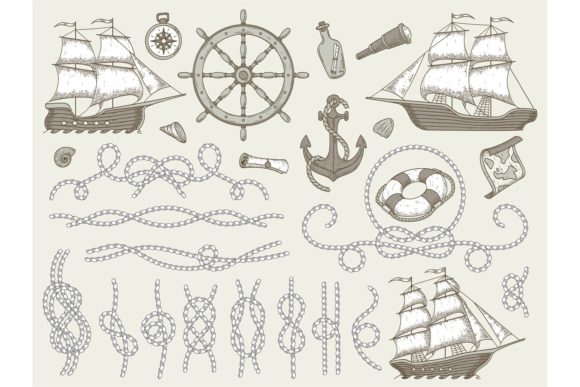
Decorative Marine Elements: Enhancing Design with Nautical Themes
The Appeal of Decorative Marine Elements in Modern Design
Decorative marine elements have found their way into a variety of design contexts, from home interiors to digital graphics. These elements evoke a sense of adventure, freedom, and connection to the sea. Whether it's a sea rope frame or a nautical ship steering wheel, these items bring a unique charm that can transform any space or visual project.
One of the most popular decorative marine elements is the sea rope frame. This design feature adds texture and dimension to artwork or photographs. The natural look of rope gives a rustic feel that complements both modern and traditional styles. When incorporating a sea rope frame, it's important to consider the overall color scheme and how it will interact with other design elements.
Sea rope frames are often used in coastal-themed decor, but they can also work well in more eclectic settings. They provide an organic contrast to smooth surfaces and can be paired with other nautical elements like anchors or compasses for a cohesive look.
Nautical Icons and Their Role in Visual Communication
In the world of graphic design, nautical icons play a crucial role in conveying themes related to the ocean and sailing. A set of seaside vector isolated icons, such as those featuring sailing boats, nautical ropes corners, and seashells, can be incredibly versatile. These icons are often used in branding, web design, and marketing materials to communicate a sense of exploration and adventure.
For example, a travel company might use a sailing boat icon on its website to symbolize journeys and discovery. Similarly, a luxury resort located near the coast could incorporate seashell motifs into its logo or promotional materials to emphasize its seaside location.
These icons are typically available in various formats, including EPS10 files, which allow for high-quality scaling and editing. If you need to modify or separate elements within the file, using a vector editor like Adobe Illustrator is recommended. This flexibility makes it easier to tailor the icons to specific design needs without losing quality.
Using Nautical Elements in Interior Design
Interior designers frequently turn to decorative marine elements when creating spaces that reflect a love for the sea. From nautical ship steering wheels used as statement pieces to ocean marine ships featured in wall art, these elements add character and personality to a room.
A nautical ship steering wheel can serve as a unique piece of furniture or a decorative accent. It not only adds a touch of maritime flair but also serves as a conversation starter. When placed in a living room or office, it can create a focal point that draws attention and admiration.
Similarly, seashells can be incorporated into interior design through decorative displays, wall art, or even as part of a larger nautical theme. Their natural beauty and association with the ocean make them a popular choice for adding a soft, organic element to a space.
When designing with marine elements, it's important to balance the use of different textures and colors. For instance, pairing a wooden steering wheel with blue and white accents can create a cohesive and stylish look that feels both fresh and inviting.
Decorative Marine Elements in Digital Projects
Beyond physical design, decorative marine elements also play a significant role in digital projects. Vector graphics, such as seaside vector isolated icons, are widely used in websites, mobile apps, and digital marketing campaigns. These icons help establish a visual identity that resonates with audiences who appreciate nautical themes.
Designers often use nautical ropes corners as border elements or background patterns in digital interfaces. The intricate details of the ropes add visual interest without overwhelming the user experience. Additionally, these elements can be customized to match brand colors and styles, ensuring consistency across all platforms.
When working with vector EPS10 files, it's essential to understand the capabilities of vector editors. Tools like Adobe Illustrator allow for precise adjustments, making it easy to scale, recolor, or reconfigure elements as needed. This level of control ensures that the final design meets both aesthetic and functional requirements.
For those looking to integrate decorative marine elements into their digital projects, it's worth exploring a range of icon sets and illustrations. These resources can be found on design marketplaces and creative platforms, offering a wide selection of styles and formats to choose from.
Practical Considerations for Using Decorative Marine Elements
While decorative marine elements offer numerous benefits, there are several factors to consider before incorporating them into a design. One of the most important considerations is the context in which the elements will be used. For example, a nautical ship steering wheel may be appropriate for a coastal-themed restaurant but might not fit well in a minimalist office setting.
Another consideration is the scale of the elements. Large-scale decorative items like ship models or oversized rope frames can dominate a space, while smaller elements like icons or seashells can be used more subtly. It's important to find the right balance that complements the overall design without overwhelming it.
Additionally, material choices can impact the durability and appearance of decorative marine elements. Natural materials like wood and rope may require more maintenance, while synthetic options can offer greater longevity and ease of cleaning.
Finally, when selecting decorative marine elements, it's worth considering the intended audience. Some elements may resonate more with certain demographics than others. Understanding the preferences and expectations of the target audience can help ensure that the design choices are both appealing and effective.