Decorative Elements: Enhancing Visual Design
In the world of graphic design, Decorative Elements serve as the subtle yet powerful tools that elevate visual communication and bring creative visions to life. Whether you're crafting a brand identity, designing marketing materials, or working on digital content, these elements add depth, personality, and visual interest to any project. From ornamental patterns to text separators, they help create a cohesive and engaging design experience that resonates with audiences.
The Role of Decorative Elements in Modern Design
Decorative Elements are more than just embellishments—they are integral components of visual storytelling. They can guide attention, reinforce messaging, and establish a unique aesthetic that aligns with your brand's voice. In branding and logo design, for instance, a well-chosen pattern or icon can instantly communicate values and evoke emotion. These elements also contribute to visual hierarchy, ensuring that key messages stand out while maintaining a sense of balance and harmony in the layout.
When used effectively, Decorative Elements enhance readability and improve user engagement. In web design and UI/UX projects, they can be used to separate sections, highlight important information, or add a touch of elegance to a minimalist interface. Similarly, in print design and packaging, they can make products more appealing and memorable, reinforcing brand identity through consistent visual language.
7 Beautiful Ornamental Patterns for Various Decor
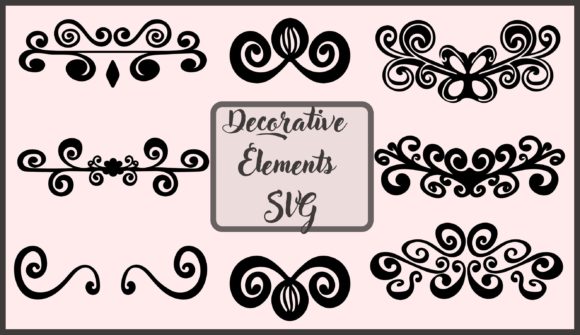
If you're looking to incorporate Decorative Elements into your design workflow, consider using high-quality SVG files that offer versatility and scalability. Here are seven beautiful ornamental patterns ideal for vinyl decals, postcards, wedding invitations, and more:
- Floral Motifs: Timeless and elegant, floral patterns work well in branding, editorial design, and social media graphics.
- Geometric Shapes: Perfect for modern aesthetics, geometric patterns add structure and sophistication to logos and website headers.
- Abstract Art: These versatile designs can be used across various surfaces like T-shirts, bags, and pillows, offering a unique artistic flair.
- Ethnic Textures: Ideal for cultural branding, ethnic patterns add authenticity and richness to packaging and promotional materials.
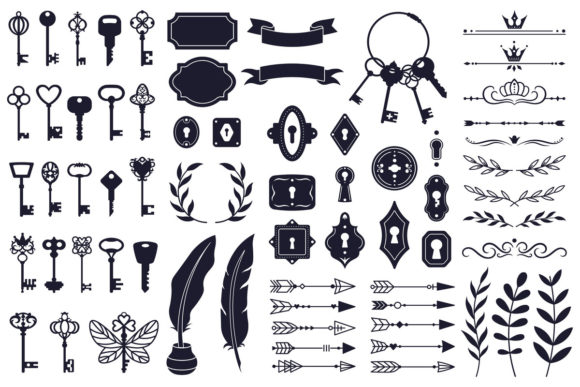
- Typography Borders: Ornamental text separators enhance typography layouts, making them visually striking without overwhelming the content.
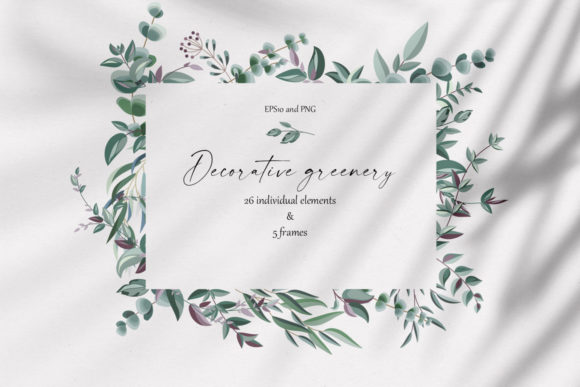
- Botanical Illustrations: Plant SVGs bring nature into your designs, perfect for eco-friendly branding or wellness-related content.
- Minimalist Lines: Clean and refined, these patterns provide subtle detail without competing with other design elements.
These Decorative Elements are not only visually appealing but also highly functional. With SVG file formats, they can be easily customized and adapted to different sizes and mediums, from digital displays to physical prints. Tools like Cricut and clipart libraries further expand their usability, allowing designers to integrate them seamlessly into a wide range of creative projects.
Practical Tips for Using Decorative Elements Effectively
To maximize the impact of Decorative Elements, it's essential to consider factors such as consistency, scalability, and compatibility with your brand’s color palette and typography. Always ensure that these elements complement rather than overpower the main content. When selecting assets, evaluate how they fit within your overall design strategy and whether they align with your target audience’s expectations.
For digital marketing and social media graphics, opt for patterns that load quickly and render clearly on screens of all sizes. In print design, pay attention to resolution and color accuracy to maintain quality. Lastly, keep your design workflow efficient by organizing your assets and reusing them across multiple projects to save time and maintain brand consistency.
By thoughtfully integrating Decorative Elements into your design process, you can create visuals that are both aesthetically pleasing and functionally effective, enhancing everything from brand identity to user experience. Quality creative assets not only elevate your work but also set the foundation for successful communication and lasting impressions.