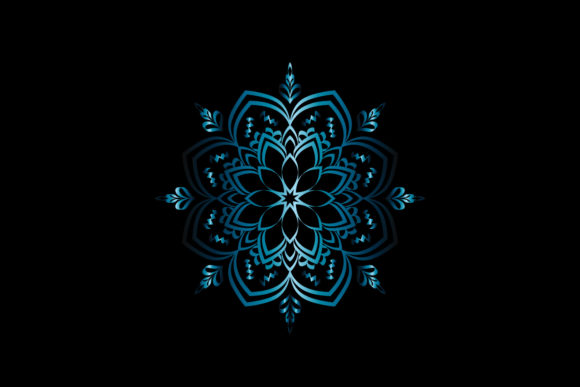
Mandala Wedding Design Decorative Design: A Strategic Tool for Creative Expression and Branding
When it comes to crafting a memorable wedding experience, the visual elements play a crucial role in setting the tone and reflecting the couple's unique story. Mandala Wedding Design Decorative Design offers a powerful way to infuse spiritual symbolism, intricate patterns, and artistic elegance into event planning, branding, and creative projects. This design approach is not just about aesthetics—it’s about intentionality, alignment with cultural or personal values, and strategic use of visual storytelling.
Understanding Mandala Wedding Design Decorative Design
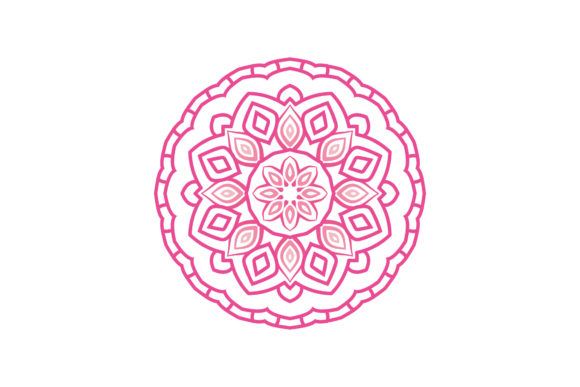
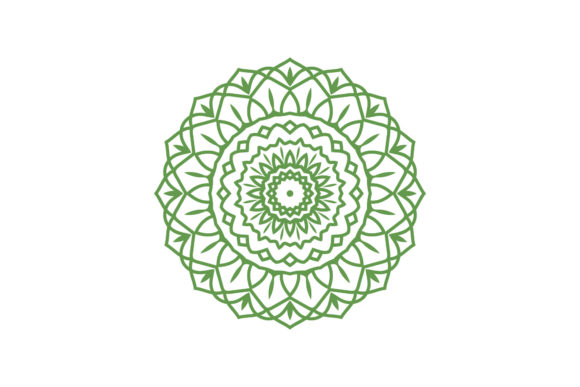
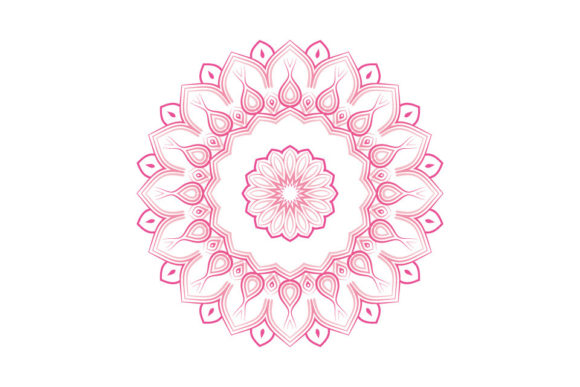
Mandala Wedding Design Decorative Design refers to the integration of mandala-inspired visuals into wedding-related themes, including invitations, table settings, signage, digital assets, and more. Mandalas are ancient symbols representing harmony, unity, and interconnectedness—making them an ideal choice for ceremonies that celebrate love, connection, and new beginnings.
The design typically features circular motifs, geometric patterns, floral elements, and symbolic imagery that can be adapted to various styles—from minimalist and modern to bohemian and traditional. When used effectively, these designs can elevate the overall aesthetic of a wedding while reinforcing its deeper meaning.
Strategic Use of Mandala Wedding Design Decorative Design
For professionals such as event planners, designers, and entrepreneurs, incorporating Mandala Wedding Design Decorative Design into their offerings can provide several strategic advantages:
- Enhanced Brand Identity: Using consistent mandala motifs across marketing materials, social media, and event visuals helps create a cohesive brand image that stands out in a competitive market.
- Cultural Relevance: For couples seeking a meaningful theme rooted in spirituality, mindfulness, or holistic living, mandala designs offer a visually rich and culturally resonant option.
- Increased Engagement: The intricate details and symbolism of mandalas naturally draw attention and encourage deeper engagement from guests, especially when used in photo backdrops, table centerpieces, or digital content.
- Customization Potential: With digital files available in multiple formats (AI, EPS, SVG, DXF, JPG, PNG), this design can be easily adapted to fit different platforms, sizes, and applications—whether for print or digital use.
Planning and Implementation Tips
Before relying on Mandala Wedding Design Decorative Design, consider the following factors to ensure it aligns with your goals and context:
- Define the Theme: Determine whether the mandala style should be subtle or bold. Will it serve as a background element or a focal point? Align the design with the wedding’s overall color palette, venue, and cultural influences.
- Understand the Audience: Consider the preferences of the couple and their guests. Some may appreciate the spiritual aspect of mandalas, while others might prefer a more contemporary take.
- Use High-Quality Assets: Ensure you have access to high-resolution files (such as 1920px X 1280px canvas size) that can be scaled without losing clarity. The included AI, EPS, SVG, and other file types make editing and customization straightforward.
- Integrate Thoughtfully: Avoid overusing mandala elements. Balance is key. Use them strategically in areas where they add value, such as invitations, signage, or digital banners.
Possible Risks and Considerations
While Mandala Wedding Design Decorative Design offers many benefits, there are potential pitfalls if it is not approached with care:
- Lack of Context: If used without considering the wedding’s theme or cultural background, mandalas could appear out of place or even confusing to some guests.
- Overcomplication: Too much detail can overwhelm the design. It’s important to maintain simplicity and focus on the core message of the event.
- Inconsistent Application: Inconsistent use of mandala elements across different materials can dilute the impact and create a disjointed look.
To avoid these risks, always start with clear objectives and consult with the couple or client to understand their vision and expectations. This ensures that the design serves its purpose effectively and enhances the overall experience rather than distracting from it.
Practical Applications and Use Cases
Mandala Wedding Design Decorative Design can be applied in numerous practical ways, depending on the project and audience:
- Wedding Invitations: Incorporate mandala borders, watercolor backgrounds, or patterned text boxes to create a unique and eye-catching invitation.
- Event Signage: Use mandala-based designs for directional signs, welcome boards, or ceremony backdrops to reinforce the theme and guide guests.
- Digital Marketing: Create social media posts, website banners, or email headers using mandala visuals to attract attention and convey the event’s essence.
- Print Materials: From menus to thank-you cards, mandala designs can be printed on various surfaces, adding a touch of artistry and symbolism.
Why Choose This Design?
With Mandala Wedding Design Decorative Design, you receive six digital files in multiple editable formats, allowing for maximum flexibility and ease of use. Whether you’re a designer looking to expand your portfolio, a planner aiming to offer unique services, or a couple seeking a meaningful aesthetic, this resource provides everything needed to bring your vision to life.
The combination of spiritual symbolism, artistic beauty, and practical adaptability makes this design a valuable asset in both personal and professional contexts. By using it thoughtfully and strategically, you can enhance creativity, communication, and customer experience in a way that aligns with long-term goals and outcomes.
Thank you for visiting my product. Mandala Wedding Design Decorative Design is more than just a visual element—it’s a tool for intentional expression and meaningful connection. Use it wisely, and let it inspire your next creative endeavor.