Olive Tree Decorative for Background: A Timeless Design Element
When it comes to adding a touch of nature and elegance to your design projects, the Olive Tree Decorative for Background stands out as a versatile and visually appealing choice. This design element, often rooted in ancient symbolism and natural beauty, offers a unique way to infuse warmth, history, and sophistication into logos, illustrations, animations, t-shirt designs, and more. Whether you're an entrepreneur launching a brand, a marketer creating promotional materials, or a hobbyist exploring graphic design, understanding how to effectively use Olive Tree Decorative for Background can elevate your creative work.
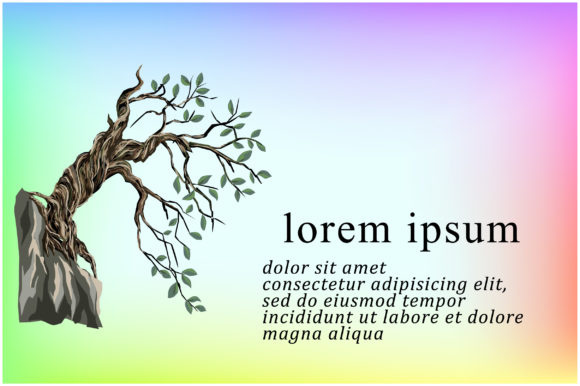
The Olive Tree Decorative for Background is more than just a visual motif—it's a symbol of peace, longevity, and wisdom. Its intricate branches and textured leaves make it a perfect addition to any project that seeks to convey depth, tradition, or organic charm. However, many creators overlook key aspects when choosing and applying this design element, leading to less-than-ideal results. Here are some common pitfalls and practical advice to help you avoid them.
Common Mistakes When Using Olive Tree Decorative for Background
While the Olive Tree Decorative for Background is a powerful design asset, there are several mistakes that can undermine its effectiveness. One of the most frequent errors is using low-quality or overly stylized versions that lose the essence of the tree’s natural form. This can result in a design that feels artificial or lacks authenticity.
Mistake 1: Ignoring Scalability
Many designers download free Olive Tree Decorative for Background assets without considering their scalability. If the file format isn't vector-based, resizing can lead to pixelation or loss of detail. Always ensure you're working with vector files such as EPS10, which allow for seamless resizing without compromising quality.
Mistake 2: Overcomplicating the Design
Adding too much detail or texture to the Olive Tree Decorative for Background can overwhelm other elements in your design. It’s important to maintain balance—let the olive tree complement rather than dominate the composition.
Mistake 3: Neglecting Color Harmony
The colors used in the Olive Tree Decorative for Background should align with the overall color scheme of your project. Mismatched hues can create a jarring effect and distract from the message or aesthetic you're trying to convey.
Choosing the Right Olive Tree Decorative for Background
Selecting the appropriate Olive Tree Decorative for Background involves more than just picking an image that looks good. It requires thoughtful consideration of your project’s goals, audience, and context. For instance, if you're designing a logo for a wellness brand, a minimalist Olive Tree Decorative for Background might be more suitable than a highly detailed one.
Before downloading or purchasing any Olive Tree Decorative for Background, check the following:
- Is the file format compatible with your design software?
- Does the design include multiple variations or styles?
- Are there high-resolution JPG, PNG, and vector (EPS10) files included?
- Can you easily edit and customize the design to fit your needs?
A well-rounded Olive Tree Decorative for Background package typically includes 6 JPG files, 3 EPS10 files, and 3 PNG files. These formats ensure versatility across different platforms and uses, from print to digital media.
Practical Tips for Effective Use
To maximize the impact of your Olive Tree Decorative for Background, consider these tips:
- Use It as a Background Element: Let the olive tree serve as a subtle backdrop rather than a focal point. This allows it to enhance the overall look without overshadowing other content.
- Pair with Complementary Elements: Combine the Olive Tree Decorative for Background with other natural motifs like leaves, vines, or stones to create a cohesive theme.
- Experiment with Placement: Try placing the olive tree in different areas of your design—corner, center, or even as a border—to see what works best.
- Customize Colors and Textures: Adjust the color palette and add textures to match your brand identity or the mood of your project.
By thoughtfully integrating the Olive Tree Decorative for Background into your designs, you can achieve a professional, polished look that resonates with your audience.
Conclusion
The Olive Tree Decorative for Background is a valuable tool for anyone looking to incorporate natural elements into their creative work. By avoiding common mistakes and making informed choices, you can ensure that your designs are both aesthetically pleasing and functionally effective. Whether you're creating logos, illustrations, or animations, taking the time to understand and apply this design element correctly will lead to better results and greater satisfaction in your projects.