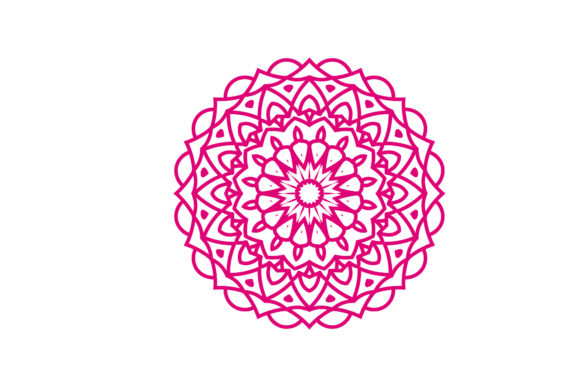
Mandala Motif Decorative: A Versatile Design Element for Modern Creativity
The Mandala Motif Decorative has emerged as a powerful and versatile design element, widely used across various creative industries. Rooted in ancient symbolism and spiritual significance, the mandala motif is now appreciated for its aesthetic appeal and adaptability. Whether you're designing logos, illustrations, animations, or even t-shirt graphics, this decorative style offers a unique blend of tradition and modernity that can elevate your visual projects.
Understanding the Mandala Motif Decorative
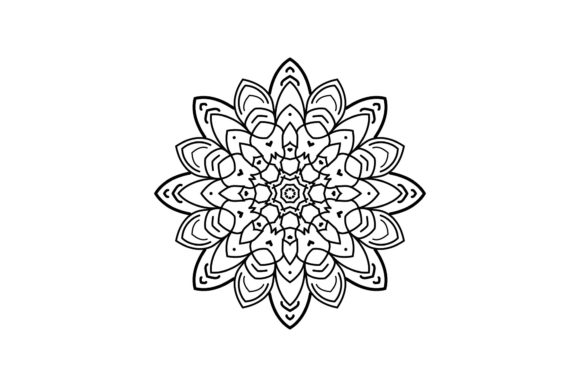
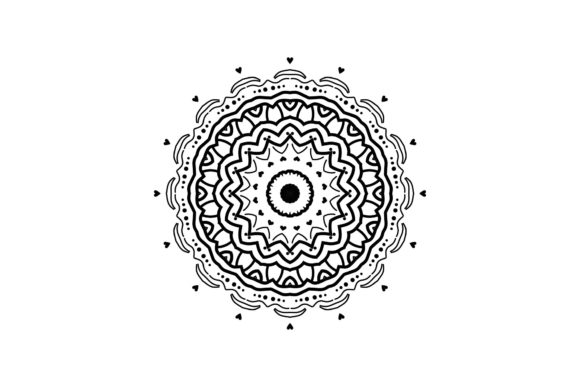
The term "mandala" originates from Sanskrit and translates to "circle." Traditionally, mandalas are intricate geometric patterns that symbolize the universe, harmony, and spiritual unity. In modern design contexts, the Mandala Motif Decorative refers to stylized representations of these circular designs, often featuring symmetrical patterns, floral elements, and abstract shapes.
What sets the Mandala Motif Decorative apart is its ability to convey both complexity and simplicity. It's not just about creating visually stunning artwork; it's also about embedding deeper meaning into the design. This makes it particularly appealing for those who want their work to resonate on multiple levels—visually and conceptually.
Comparing Mandala Motif Decorative with Other Design Styles
While the Mandala Motif Decorative is distinct in its structure and symbolism, it shares similarities with other design styles such as floral motifs, geometric patterns, and abstract art. However, each of these has its own strengths and limitations.
- Floral Motifs: These are ideal for nature-inspired designs but may lack the structured symmetry and spiritual depth of mandalas.
- Geometric Patterns: These offer precision and clarity but can sometimes appear cold or impersonal compared to the organic feel of mandalas.
- Abstract Art: Offers freedom of expression but may be too vague for those seeking clear visual communication.
In contrast, the Mandala Motif Decorative strikes a balance between these styles. It provides the precision of geometric patterns, the warmth of floral motifs, and the expressive freedom of abstract art. This versatility makes it suitable for a wide range of applications, from branding to personal art projects.
Choosing Between Vector Formats for Mandala Motif Decorative
When working with Mandala Motif Decorative designs, choosing the right file format is crucial. Vector formats like AI (Adobe Illustrator), EPS, SVG, and PNG provide flexibility and scalability, making them ideal for high-quality output across different media.
For example, an AI 10 file allows for detailed editing within Adobe Illustrator, while an EPS 10 File ensures compatibility with both vector and raster programs. The PNG file is excellent for web use and print, and the JPG file is great for quick sharing and digital publishing. The SVG file is particularly useful for responsive web design and mobile applications due to its scalability.
Each format has its own set of advantages and limitations. For instance, while AI and EPS files are editable and scalable, they require specific software to open and modify. On the other hand, PNG and JPG files are more universally accessible but less editable once created. Understanding these differences can help you choose the best format for your specific needs.
Practical Applications of Mandala Motif Decorative
The Mandala Motif Decorative is not limited to any single industry or application. Its adaptability makes it a popular choice for various design needs:
- Logo Design: Mandalas can be used to create logos that convey unity, balance, and spiritual awareness. Their intricate details make them stand out in a crowded market.
- Illustrations: Artists often incorporate mandalas into their illustrations to add depth and symbolism. They can serve as background elements or focal points depending on the composition.
- Animations: Due to their symmetrical nature, mandalas are well-suited for animation. They can be used to create mesmerizing effects that capture attention and evoke emotion.
- T-Shirt Designs: The Mandala Motif Decorative adds a touch of elegance and uniqueness to apparel. It’s especially popular in eco-friendly and wellness-themed clothing lines.
These examples illustrate how versatile the Mandala Motif Decorative can be. Whether you're looking to create something minimalistic or highly detailed, this design style offers endless possibilities.
Considerations When Using Mandala Motif Decorative
Despite its many benefits, there are certain considerations to keep in mind when using the Mandala Motif Decorative. One key factor is the level of detail required for the project. Highly intricate mandalas can be overwhelming if not balanced properly with other design elements.
Another consideration is the target audience. While mandalas are rich in symbolism, they may not be universally understood or appreciated by all viewers. Therefore, it's important to consider the cultural context and the intended message of the design.
Additionally, the choice of color palette plays a significant role in the effectiveness of the Mandala Motif Decorative. Colors can influence the mood and perception of the design, so selecting the right hues is essential for achieving the desired impact.
When Is Mandala Motif Decorative the Right Choice?
The Mandala Motif Decorative is best suited for projects that benefit from a sense of harmony, balance, and depth. It works particularly well in environments where spiritual or meditative themes are relevant, such as wellness products, mindfulness apps, or yoga studios.
However, it may not be the best choice for every situation. If the goal is to communicate a simple, direct message, a more straightforward design might be more effective. Similarly, if the project requires a very modern or minimalist approach, the Mandala Motif Decorative could be too ornate or complex.
Ultimately, the decision to use the Mandala Motif Decorative depends on the specific goals of the project, the preferences of the target audience, and the overall design strategy. By carefully evaluating these factors, designers can determine whether this motif is the right fit for their needs.