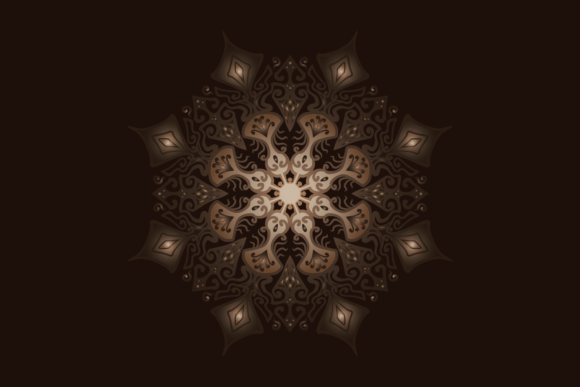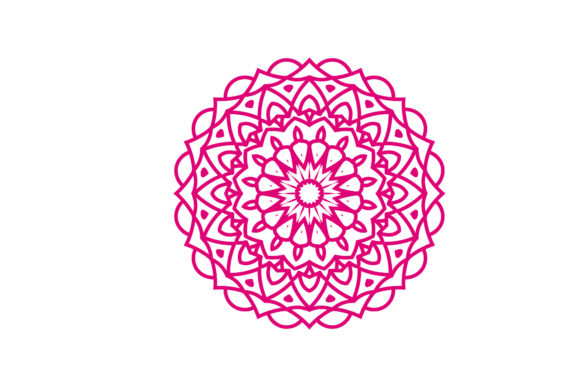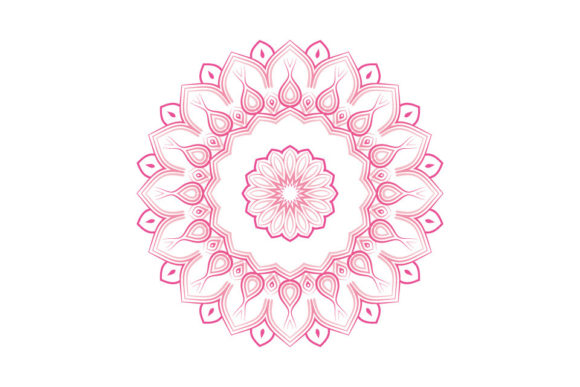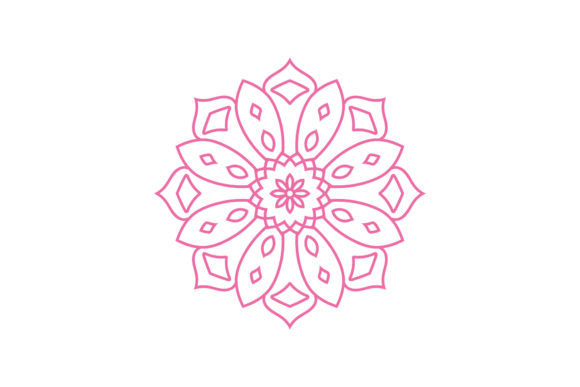
Mandala Decorative Graphic Art
Mandala Decorative Graphic Art is a visually captivating form of design that draws from ancient spiritual traditions while offering modern versatility. These intricate, symmetrical patterns are more than just eye-catching—they serve as powerful tools for creativity, branding, and personal expression. Whether you're an artist, designer, or someone looking to add unique visuals to your projects, Mandala Decorative Graphic Art can be a valuable asset.
When you choose Mandala Decorative Graphic Art, you’re not just getting a design—you’re unlocking a range of formats and sizes that make it easy to integrate into various creative workflows. The 1920px X 1280px canvas size ensures clarity and detail, while the six digital files (AI, EPS, SVG, DXF, JPG, PNG) offer flexibility for both digital and print applications. This makes it ideal for a wide array of uses, from graphic design to home décor.
Where Can You Use Mandala Decorative Graphic Art?
The beauty of Mandala Decorative Graphic Art lies in its adaptability. Here are some real-world scenarios where this art form shines:
- Interior Design: Mandala patterns can be used to create stunning wall art, cushions, or even custom rugs. Their intricate details bring a sense of calm and balance to any space.
- Branding and Marketing: Businesses looking for a unique visual identity often turn to mandalas. They can be incorporated into logos, packaging, or promotional materials to convey harmony and creativity.
- Personal Projects: From t-shirts to phone cases, mandalas offer endless possibilities for personalization. They allow individuals to express their style with meaningful, artistic designs.
- Art Therapy: Many people find mandalas meditative and calming. Artists and therapists use them as tools for relaxation, focus, and emotional expression.
Who Benefits from Mandala Decorative Graphic Art?
Mandala Decorative Graphic Art appeals to a broad audience, each finding different value in it:
Designers: Professionals in graphic design, illustration, or web development appreciate the versatility of mandalas. They can be easily edited using vector formats like AI and EPS, allowing for customization without losing quality.
Entrepreneurs: Small business owners and startups often need affordable, high-quality graphics. Mandala Decorative Graphic Art provides a ready-to-use solution that stands out in a crowded market.
Crafters and DIY Enthusiasts: Those who enjoy creating handmade items will love how mandalas can be adapted into embroidery, stencils, or even laser-cut designs. The DXF format is especially useful for CNC machines and other fabrication tools.
Artists and Creatives: For those exploring new forms of self-expression, mandalas offer a rich source of inspiration. Their symmetry and complexity invite experimentation and innovation.
Considerations Before Using Mandala Decorative Graphic Art
While Mandala Decorative Graphic Art is highly versatile, there are a few factors to consider before incorporating it into your work:
Intended Use: Think about where and how the design will be used. High-resolution formats like PNG and JPG are best for digital displays, while vector files (AI, EPS, SVG) are better suited for scalable print or editing.
Color Scheme: Mandalas often feature vibrant colors, but they can also be simplified to fit minimalist or monochromatic themes. Choose a palette that aligns with your project’s overall aesthetic.
License and Rights: Ensure you understand the terms of use for the design. Some mandalas may have restrictions on commercial use, so always check the licensing agreement provided with the product.
Software Compatibility: If you plan to edit the design, confirm that your preferred software supports the file types included. Vector formats like AI and SVG require programs such as Adobe Illustrator or Inkscape.
Real-World Examples of Mandala Decorative Graphic Art in Action
Let’s take a look at how Mandala Decorative Graphic Art has been successfully applied in different contexts:
Home Décor: A boutique specializing in bohemian-style home goods used mandala prints on throw pillows and wall art. The result was a collection that stood out for its uniqueness and appeal to eco-conscious buyers.
Product Packaging: A wellness brand incorporated mandala patterns into their packaging for essential oils. The design conveyed a sense of mindfulness and natural harmony, resonating with their target audience.
Event Design: A wedding planner used mandala-inspired table runners and centerpieces to create a serene, elegant atmosphere. Guests were captivated by the intricate details and the peaceful ambiance.
Apparel: A streetwear brand released a line featuring mandala motifs on hoodies and t-shirts. The bold, colorful designs attracted attention and became a hit among young fashion enthusiasts.
Limitations and Potential Challenges
Despite its many benefits, Mandala Decorative Graphic Art isn’t without limitations. One challenge is ensuring that the design remains appropriate for the context. While mandalas are often associated with spirituality, they may not be suitable for all audiences or industries. It’s important to consider cultural sensitivities and relevance when using them.
Another consideration is the learning curve involved in editing complex mandala designs. Beginners might find it challenging to modify intricate patterns without affecting the overall composition. However, the availability of editable vector files makes it easier to adjust lines, colors, and elements as needed.
Finally, while mandalas are visually striking, they can sometimes overwhelm simpler designs. Balancing complexity with clarity is key to achieving a cohesive look that works well across different mediums and scales.
Overall, Mandala Decorative Graphic Art offers a unique blend of tradition and modernity, making it a compelling choice for anyone looking to infuse creativity, symbolism, and visual interest into their work. With the right approach, it can become a powerful tool for expression and innovation across a wide range of fields.