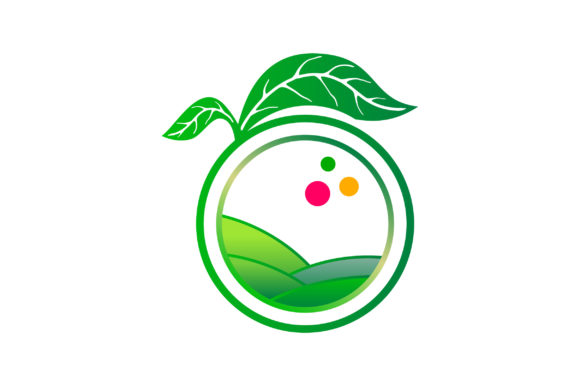
Decorative Fruit Logo in Packaging: Strategic Design for Branding and Consumer Engagement
In today’s competitive marketplace, the visual identity of a product is more than just an aesthetic choice—it's a strategic decision that can influence consumer perception, brand recognition, and overall business performance. A Decorative Fruit Logo in Packaging offers a unique opportunity to blend natural imagery with brand messaging, creating a visually appealing and meaningful design element. Whether you're launching a new product line or rebranding an existing one, understanding how to use a decorative fruit logo effectively can be a powerful tool in your marketing arsenal.
The Role of Decorative Fruit Logos in Packaging
A Decorative Fruit Logo in Packaging serves multiple purposes beyond mere decoration. It acts as a visual cue that communicates freshness, health, and quality—especially relevant for food and beverage products. When used thoughtfully, these logos can reinforce brand values and create emotional connections with consumers.
For example, a juice company might incorporate a stylized orange logo on its packaging to emphasize the natural ingredients and source of the product. This not only adds visual appeal but also aligns with the brand's message of using organic and healthy components.
Strategic Benefits of Using Decorative Fruit Logos
- Enhanced Brand Recognition: Consistent use of a decorative fruit logo across packaging helps build brand recall. Consumers are more likely to remember a product that has a distinctive and memorable visual element.
- Emotional Connection: Fruits evoke positive emotions such as freshness, vitality, and naturalness. Leveraging these associations through a decorative logo can help create a stronger emotional bond with the audience.
- Visual Differentiation: In crowded markets, standing out is crucial. A well-designed decorative fruit logo can differentiate your product from competitors by adding a unique visual signature.
- Storytelling Element: A fruit logo can tell a story about the product's origin, ingredients, or intended use. For instance, a tropical fruit logo could suggest a vacation-ready snack or a product made with exotic ingredients.
When to Use Decorative Fruit Logos in Packaging
The effectiveness of a Decorative Fruit Logo in Packaging depends on the context in which it is used. Here are some scenarios where incorporating this design element makes strategic sense:
- Health and Wellness Products: Brands focused on organic, natural, or health-conscious products can benefit greatly from using fruit-based logos. These logos visually communicate the product's benefits and align with consumer expectations.
- Seasonal or Limited Edition Launches: A seasonal fruit logo, such as an apple for autumn or a watermelon for summer, can add a timely and thematic touch to packaging, enhancing the product's relevance during specific periods.
- Child-Friendly Products: Bright, colorful fruit logos can be especially effective for products targeted at children. They capture attention and create a fun, engaging experience for young consumers.
- E-commerce and Digital Marketing: High-quality vector files of a decorative fruit logo ensure that the design remains crisp and clear across various digital platforms, including websites, social media, and online advertisements.
Planning Tips for Integrating Decorative Fruit Logos
Before incorporating a decorative fruit logo into your packaging, consider the following planning tips to ensure it aligns with your overall brand strategy:
- Align with Brand Identity: Ensure that the chosen fruit and its visual style reflect your brand's personality and values. A sleek, minimalist apple logo may suit a premium skincare brand, while a vibrant mango logo might be better for a tropical-inspired snack line.
- Consider Color Psychology: The colors of the fruit and the logo should complement your brand's color palette and evoke the desired emotional response. For example, red apples can signify energy and passion, while green grapes may suggest freshness and growth.
- Ensure Readability and Scalability: A decorative fruit logo should remain legible even when scaled down for smaller packaging elements. Vector files, such as SVG or EPS10, allow for easy resizing without loss of quality.
- Test Across Platforms: Before finalizing the design, test the logo on different packaging sizes, materials, and backgrounds to ensure it looks good in all contexts.
Practical Examples of Decorative Fruit Logo Usage
Let’s look at a few real-world examples of how brands have successfully used Decorative Fruit Logos in Packaging:
Example 1: Organic Juice Brand
An organic juice brand uses a stylized orange logo on its bottles. The logo is placed prominently on the front label, ensuring immediate recognition. The design includes subtle textures that mimic the peel of an orange, reinforcing the natural and fresh qualities of the product.
Example 2: Snack Company
A snack company introduces a line of dried fruits and nuts with packaging featuring a decorative banana logo. The logo is used in combination with playful typography and bright colors to appeal to younger audiences. The design also includes QR codes that link to educational content about the benefits of eating fruits.
Example 3: Luxury Skincare Line
A luxury skincare brand incorporates a minimalist grape logo on its serum bottles. The logo is rendered in metallic tones and paired with elegant fonts to convey sophistication and exclusivity. This approach aligns with the brand’s positioning in the high-end market.
Risks of Using Decorative Fruit Logos Without Strategy
While a Decorative Fruit Logo in Packaging can be a valuable asset, it’s important to avoid using it without a clear strategy. Some potential risks include:
- Misalignment with Brand Values: If the chosen fruit does not align with the brand’s message or target audience, it can confuse consumers and dilute the brand’s identity.
- Overuse Leading to Saturation: Repeated use of the same fruit logo across multiple products can lead to visual fatigue, making the design less impactful over time.
- Lack of Originality: Copying existing fruit logos without modification can result in legal issues and damage to brand reputation.
- Distraction from Core Message: An overly complex or busy fruit logo may distract from the main product information, such as pricing, ingredients, or usage instructions.
How to Choose the Right Decorative Fruit Logo for Your Brand
Selecting the right Decorative Fruit Logo in Packaging involves careful consideration of several factors:
- Research Target Audience: Understand what types of fruit resonate with your audience. For example, berries may appeal to health-conscious consumers, while tropical fruits might attract those looking for adventurous or exotic flavors.
- Explore Design Trends: Stay informed about current design trends in branding and packaging. A modern, clean fruit logo may be more suitable for a contemporary brand, while a vintage-style logo could work well for a nostalgic or artisanal product.
- Consult with Professionals: If you're unsure about the best approach, consult with graphic designers or branding experts who can provide guidance based on your specific needs and goals.
- Test and Iterate: Once you’ve selected a preliminary design, test it with a small group of consumers to gather feedback. Use their insights to refine the logo before rolling it out widely.
Conclusion
When used strategically, a Decorative Fruit Logo in Packaging can enhance brand recognition, create emotional connections with consumers, and support long-term business goals. By considering the context, audience, and overall brand identity, you can make informed decisions that lead to successful outcomes. Whether you're designing for a new product launch or refining your existing packaging, the thoughtful integration of a decorative fruit logo can be a valuable component of your brand’s visual storytelling.