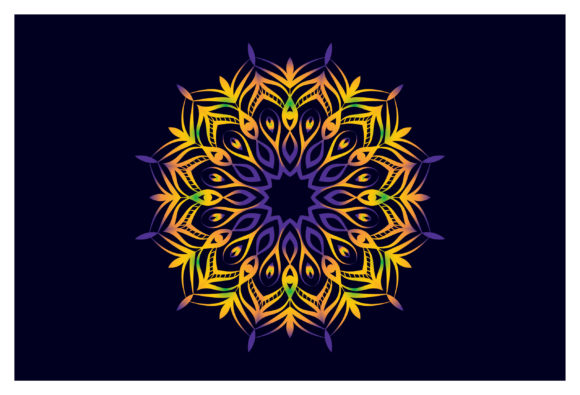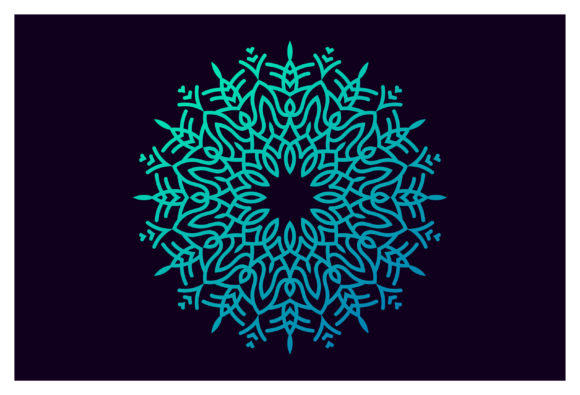
Vintage Mandala Decorative Elements: A Fusion of Cultural Artistry
The Timeless Appeal of Vintage Mandalas
Vintage Mandala Decorative Elements have been making a resurgence in modern design, blending the intricate patterns of ancient traditions with contemporary aesthetics. These elements are not only visually stunning but also rich in symbolism and cultural significance. Whether used in interior design, graphic projects, or digital media, vintage mandalas offer a unique way to incorporate historical art into today’s creative workflows.
Originating from various cultures around the world, mandalas are circular designs that represent harmony, unity, and spiritual balance. When combined with Islamic, Arabic, and Ottoman motifs, they create a fusion of styles that speak to both historical depth and artistic innovation.
Cultural Influences on Vintage Mandala Design
The integration of Islamic, Arabic, and Ottoman motifs into vintage mandala designs adds layers of complexity and meaning. Each of these traditions brings its own visual language, from geometric precision to flowing calligraphy, creating a diverse range of decorative possibilities.
- Islamic Motifs: Characterized by intricate geometric patterns and arabesques, Islamic art often features repetitive shapes that form complex symmetrical designs. These elements are perfect for mandalas, offering a structured yet mesmerizing visual experience.
- Arabic Calligraphy: The elegant curves and fluidity of Arabic script bring a sense of movement and rhythm to mandala designs. Incorporating calligraphic elements into mandalas can add a touch of sophistication and cultural depth.
- Ottoman Patterns: Inspired by the grandeur of the Ottoman Empire, these motifs often feature floral and arabesque designs. Their ornate nature complements the meditative quality of mandalas, enhancing their visual appeal.
By combining these influences, designers can create vintage mandalas that are both culturally rich and aesthetically pleasing. This blend allows for versatility in application, whether in home décor, branding, or digital illustrations.
Four Distinct Styles of Vintage Mandala Decorative Elements
Vintage mandalas come in a variety of styles, each reflecting different artistic traditions and design philosophies. Understanding these styles can help you choose the right mandala for your project, ensuring it aligns with your vision and purpose.
Geometric Precision
This style emphasizes sharp angles and mathematical symmetry, drawing heavily from Islamic art. Geometric mandalas are ideal for those who appreciate order and structure in their designs. They can be used in architectural details, textiles, and even digital interfaces where clarity and focus are essential.
Floral Abundance
Inspired by Ottoman and Persian art, this style features lush, flowing floral patterns that wrap around the central motif. Floral mandalas are perfect for adding warmth and elegance to any space. They are commonly used in home décor, fashion, and event design to create a sense of abundance and beauty.
Calligraphic Flow
These mandalas integrate Arabic calligraphy seamlessly into their circular forms. The flowing lines and elegant script create a dynamic composition that is both artistic and meaningful. Calligraphic mandalas are often used in branding, logos, and personal artwork to convey a sense of cultural heritage and sophistication.
Mixed Media Harmony
This style combines elements from all three traditions, creating a cohesive yet diverse design. Mixed media mandalas are versatile and can be adapted to various contexts, from commercial projects to personal expression. They allow for creative experimentation and can reflect the designer’s unique perspective.
Practical Applications and Benefits
Vintage mandala decorative elements are more than just beautiful designs; they serve practical purposes across multiple industries. From interior design to digital media, these elements offer a range of benefits that make them valuable assets.
In interior design, vintage mandalas can be used as wall art, floor patterns, or textile prints. Their intricate details add depth and character to any room, making them ideal for spaces that aim to evoke a sense of history and culture.
For graphic designers and illustrators, vintage mandalas provide a rich source of inspiration. They can be incorporated into logos, packaging, and website graphics to create a unique visual identity. The versatility of these designs allows them to be scaled and adapted to fit different formats and mediums.
Additionally, vintage mandalas are popular in digital projects such as app icons, social media visuals, and animations. Their symmetrical nature makes them easy to manipulate and integrate into various digital platforms, ensuring consistency and visual appeal.
Choosing the Right Files for Your Project
When working with vintage mandala decorative elements, having access to high-quality files is essential. Depending on your project needs, different file types may be more suitable. Here are some common file formats and their uses:
- JPG Files: Ideal for print and web use, JPG files offer good quality and smaller file sizes. They are perfect for background images, banners, and general visual content.
- PNG Files: PNG files support transparency, making them great for logos, icons, and overlays. They maintain high quality and are suitable for both digital and print applications.
- SVG Files: Scalable Vector Graphics (SVG) files are resolution-independent and can be resized without losing quality. They are excellent for digital illustrations, animations, and responsive web design.
- Ai and EPS Files: Adobe Illustrator (AI) and Encapsulated PostScript (EPS) files are vector-based and ideal for professional printing and detailed editing. They are best suited for graphic design projects that require high precision and scalability.
Having access to multiple file formats ensures flexibility and adaptability in your workflow. Whether you're designing for print, digital media, or illustration, choosing the right file type can enhance the overall quality and effectiveness of your project.
Integrating Vintage Mandala Decorative Elements Into Modern Workflows
With the rise of digital tools and software, integrating vintage mandala decorative elements into modern workflows has become easier than ever. Designers can now use these elements in a variety of ways, from simple background textures to complex illustrations.
For example, using an AI file in Adobe Illustrator allows for detailed customization and layering, enabling designers to create unique mandala compositions. Similarly, SVG files can be easily edited in web design tools like Figma or Sketch, making them accessible for digital projects.
Moreover, the availability of high-quality PNG and JPG files ensures that vintage mandalas can be used effectively in marketing materials, social media content, and branding campaigns. Their timeless appeal makes them a valuable asset in any designer's toolkit.
As you explore the world of vintage mandala decorative elements, consider how they can enhance your creative projects. Whether you're looking to add a touch of cultural richness or simply elevate your design work, these elements offer endless possibilities for innovation and expression.