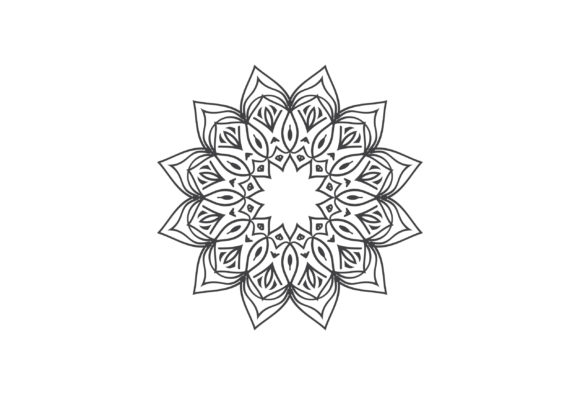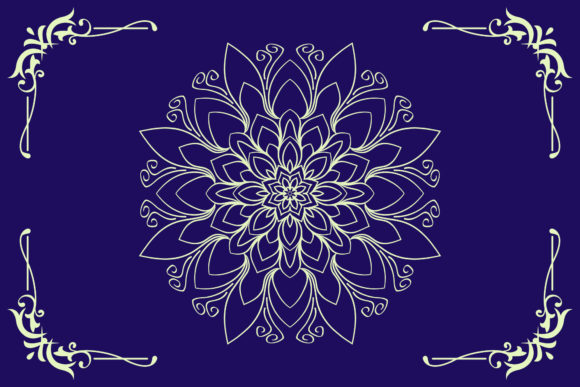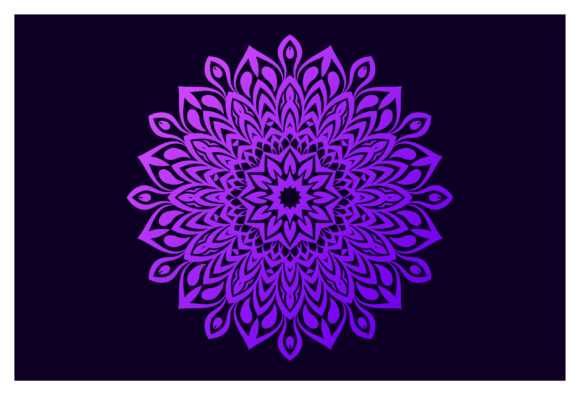
Premium Mandala Decorative Pattern Style: A Versatile Design Asset for Creative Projects
When it comes to adding visual depth and cultural richness to your design projects, the Premium Mandala Decorative Pattern Style stands out as a powerful choice. This intricate, symmetrical pattern is not only visually appealing but also deeply symbolic, drawing from ancient spiritual traditions. Whether you're designing logos, websites, packaging, or print materials, this style offers endless creative possibilities.
The Premium Mandala Decorative Pattern Style comes in multiple formats—JPG, PNG, SVG, AI, and EPS—ensuring that it can be used across various platforms and software. However, many creators overlook important details when choosing or applying these designs, which can affect the final outcome of their work.
Why Choose Premium Mandala Decorative Pattern Style?
The mandala pattern is known for its calming and meditative qualities. Its circular form and repeating elements make it ideal for creating balance and harmony in any design. The Premium Mandala Decorative Pattern Style elevates this concept with high-quality, scalable vector files that maintain clarity at any size.
Designers often use mandalas in branding, digital art, textiles, and even interior design. With four distinct styles available, you can choose one that aligns with your project’s tone, whether it's modern, traditional, minimalist, or ornate.
Common Mistakes When Using Premium Mandala Decorative Patterns
While the Premium Mandala Decorative Pattern Style is versatile, there are common pitfalls that can hinder its effectiveness. One mistake is selecting a style that doesn’t match the project’s theme. For example, using an ornate mandala on a minimalistic website may create visual clutter rather than enhance the design.
Another frequent error is not checking the file format compatibility. If you’re working in Adobe Illustrator, an AI file will be more suitable than a JPG. Similarly, if you need transparency for web use, PNG or SVG files are better choices. Failing to consider this can lead to poor image quality or difficulty in editing the design later.
How to Avoid These Mistakes
To ensure the best results, always review the project requirements before downloading or purchasing any design assets. Ask yourself: What platform will I be using? Will the design need to scale without losing quality? Does the color palette of the mandala match my brand identity?
For instance, if you're designing a logo for a wellness app, a minimalist mandala style might be more appropriate than a complex, detailed one. Likewise, if you're printing a poster, an EPS file will provide the highest resolution for large prints.
Understanding the Different Styles and Their Uses
The Premium Mandala Decorative Pattern Style includes four unique variations, each with its own aesthetic and application. Here’s how they can be used:
- Style 1 – Traditional Mandalas: These feature intricate lines and geometric shapes, perfect for cultural or spiritual themes. Ideal for yoga studios, meditation apps, or religious artwork.
- Style 2 – Modern Minimalist: Clean lines and subtle shading make this style great for contemporary branding, websites, and product packaging.
- Style 3 – Ornate Floral: Rich in detail with floral motifs, this style works well for fashion illustrations, greeting cards, or decorative borders.
- Style 4 – Abstract Geometric: Combines symmetry with bold colors and abstract forms, making it suitable for digital art, graphic design, or background textures.
Choosing the right style depends on the context and audience. Always consider the message you want to convey and how the mandala will complement other design elements.
Best Practices for Using Premium Mandala Files
Once you’ve selected the appropriate style and format, it’s essential to follow best practices for optimal results. For instance, when using SVG files for web backgrounds, ensure they are optimized for fast loading without sacrificing quality.
If you're editing the AI or EPS files in Adobe Illustrator, take advantage of the editable layers and paths to customize the design further. This flexibility allows you to adjust colors, add text, or integrate the mandala into larger compositions seamlessly.
Also, remember to check licensing terms. Some premium design assets require attribution or have restrictions on commercial use. Always verify the rights you're purchasing to avoid legal issues down the line.
Real-World Examples of Effective Use
A small business owner might use the Premium Mandala Decorative Pattern Style as a background for their website header, enhancing the site’s visual appeal while maintaining a sense of calm and focus. A blogger could incorporate mandala-style graphics into their posts to break up text and add visual interest.
Freelance designers often use these patterns as overlays in photo editing or as texture elements in print media. The key is to use them purposefully, ensuring they serve the overall design rather than overpowering it.
Final Tips for Choosing and Using Premium Mandala Decorative Patterns
Before finalizing your choice of Premium Mandala Decorative Pattern Style, ask yourself these questions:
- Does the style match the project’s theme and audience?
- Am I using the correct file format for my intended use?
- Have I checked the resolution and scalability of the design?
- Is the design legally permissible for my use case?
By addressing these considerations upfront, you’ll save time, avoid costly errors, and ensure that your final output looks professional and polished. The Premium Mandala Decorative Pattern Style is a valuable asset in any designer’s toolkit—but only when used wisely and thoughtfully.