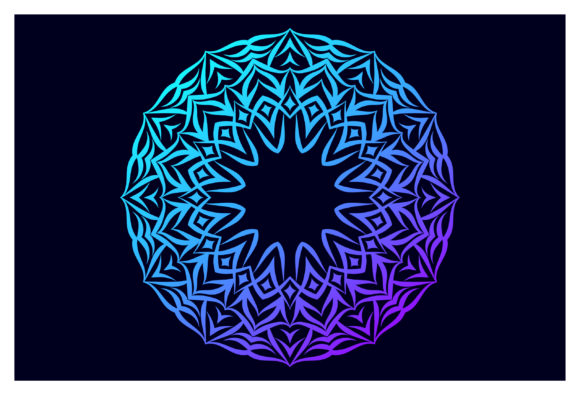
Exploring the Versatility of Outline Mandala Decorative Round Pattern in Design
The Aesthetic and Functional Appeal of Outline Mandala Decorative Round Patterns
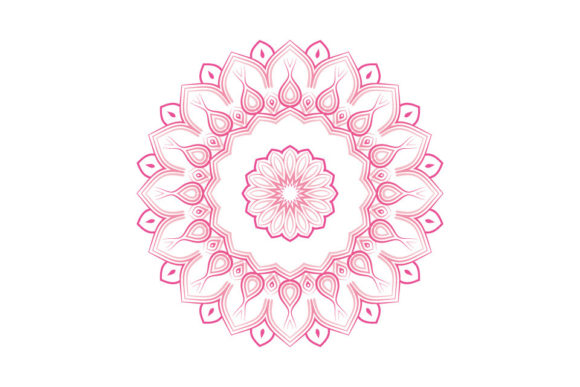
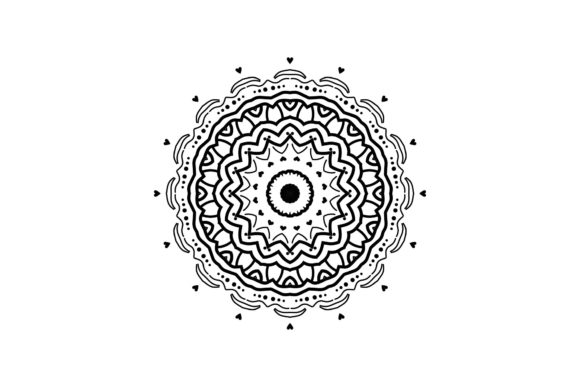
The Outline Mandala Decorative Round Pattern is a design element that has been gaining traction across various creative fields. This intricate pattern, rooted in ancient symbolism, offers a blend of beauty and functionality. It is not only visually appealing but also highly adaptable to different design contexts. Whether used in digital media, print, or physical crafts, this pattern brings a unique flair to any project.
One of the defining features of the Outline Mandala Decorative Round Pattern is its symmetry. The circular form allows for seamless repetition and variation, making it ideal for creating complex yet balanced designs. The outline nature of the pattern ensures that it does not overpower other elements in a composition, allowing for greater flexibility in layering and combining with other graphics.
Four Distinct Styles of Outline Mandala Decorative Round Patterns
The versatility of the Outline Mandala Decorative Round Pattern can be seen through its four distinct styles. Each style brings a unique interpretation of the mandala theme while maintaining the core characteristics of the pattern.
Style 1: Minimalist Outline Mandala
This style focuses on simplicity and elegance. The Outline Mandala Decorative Round Pattern is rendered with clean lines and subtle details, making it perfect for modern and minimalist design projects. It is often used in branding, logos, and user interfaces where clarity and sophistication are essential.
Designers appreciate this style for its ability to convey depth without complexity. It works well as a background element or as a standalone graphic. Its adaptability makes it suitable for both digital and print applications.
Style 2: Ornamental Outline Mandala
In contrast to the minimalist approach, the ornamental style adds more detail and intricacy to the Outline Mandala Decorative Round Pattern. This version incorporates decorative flourishes and additional layers, giving it a rich, textured appearance. It is particularly popular in fashion design, textile patterns, and home décor.
The ornamental style is often chosen when the goal is to create a sense of luxury and tradition. It can be used in high-end product packaging, interior design elements, and even in educational materials to enhance visual appeal.
Style 3: Geometric Outline Mandala
The geometric interpretation of the Outline Mandala Decorative Round Pattern introduces sharp angles and structured forms. This style is ideal for contemporary design projects that emphasize precision and order. It is frequently used in architecture, industrial design, and technological interfaces.
By using geometric shapes within the circular framework, this style creates a dynamic visual effect that can be manipulated to suit various purposes. It is especially effective in creating visual hierarchies and guiding the viewer’s eye through a design.
Style 4: Abstract Outline Mandala
The abstract version of the Outline Mandala Decorative Round Pattern takes a more experimental approach. Instead of following traditional mandala structures, this style uses irregular shapes and unconventional layouts to create a sense of movement and spontaneity. It is favored by artists and designers who seek to push creative boundaries.
This style is commonly found in avant-garde art pieces, conceptual design projects, and experimental multimedia presentations. It challenges conventional notions of symmetry and balance, making it a compelling choice for those looking to make a bold visual statement.
Applications Across Various Projects
The Outline Mandala Decorative Round Pattern is not limited to a single application. Its versatility allows it to be used in a wide range of projects, from small-scale crafts to large-scale commercial endeavors.
In the world of graphic design, this pattern is often used as a background element in posters, flyers, and social media content. It adds visual interest without distracting from the main message. In web design, it can be used to create engaging headers, buttons, and icons that stand out while maintaining a cohesive aesthetic.
Interior design professionals also find this pattern useful for creating unique wall art, cushions, and decorative objects. The circular motif can be incorporated into furniture design, lighting fixtures, and even flooring patterns to add a touch of cultural richness to a space.
For educational materials, the Outline Mandala Decorative Round Pattern serves as an excellent tool for teaching about symmetry, geometry, and cultural symbolism. It can be used in worksheets, textbooks, and interactive learning modules to engage students and enhance their understanding of design principles.
File Formats and Their Uses
To ensure maximum flexibility, the Outline Mandala Decorative Round Pattern is available in several high-quality file formats. These include:
- JPG Files (4): Ideal for web use and print media. They offer good quality and are widely supported across platforms.
- PNG Files (4): Perfect for transparent backgrounds and digital illustrations. PNG files maintain image quality and are great for overlays and layered designs.
- SVG Files (4): Scalable Vector Graphics allow for crisp, clear images at any size. They are especially useful for web and mobile design where scalability is important.
- Ai File (Adobe Illustrator CS10): Provides full editability and is best suited for professional designers who need to modify the pattern extensively.
- EPS File (Adobe Illustrator CS10): Offers high-resolution vector output, making it ideal for print production and large-format printing.
These file formats cater to a diverse range of needs, ensuring that the Outline Mandala Decorative Round Pattern can be effectively utilized in both digital and physical mediums.
Considerations for Using the Outline Mandala Decorative Round Pattern
While the Outline Mandala Decorative Round Pattern is incredibly versatile, there are certain considerations to keep in mind when incorporating it into a design project. One important factor is the context in which the pattern will be used. A minimalist version may not be appropriate for a highly detailed illustration, just as an ornamental pattern might not fit well in a modern, sleek interface.
Another consideration is color selection. The pattern itself is neutral and can be adapted to match any color scheme. However, choosing the right colors is crucial for achieving the desired visual impact. It is advisable to experiment with different palettes to see how they interact with the pattern.
Lastly, scalability should be taken into account, especially if the design will be used in multiple formats. Vector-based files like SVG and EPS are recommended for ensuring that the pattern remains sharp and clear at any size.