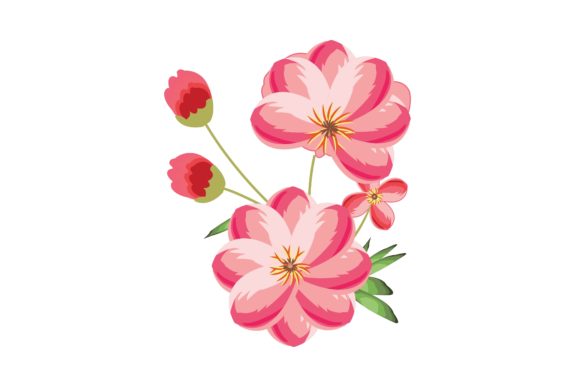
Decorative Pink Flower Illustration: A Versatile Asset for Creative and Professional Workflows
Decorative pink flower illustration is more than just a visual element—it's a functional design asset that can elevate the aesthetic of various projects, from branding materials to digital marketing campaigns. This type of illustration brings a sense of elegance, warmth, and natural beauty to any design, making it a popular choice among professionals and creatives alike. Whether you're working on a website, print material, or social media content, incorporating a decorative pink flower illustration can add a unique touch that resonates with your audience.
Understanding Decorative Pink Flower Illustration
A decorative pink flower illustration is typically a stylized representation of flowers in shades of pink, often used to enhance the visual appeal of designs. These illustrations are crafted with attention to detail, ensuring they blend seamlessly into different contexts while maintaining their artistic integrity. The versatility of this design makes it suitable for use across multiple industries, including fashion, interior design, graphic design, and even educational materials.
The file formats provided—AI, EPS, SVG, JPG, PNG, and DXF—allow for easy integration into various design tools and workflows. Each format serves a specific purpose, whether it's for high-resolution printing, vector editing, or web-based applications. This adaptability ensures that the illustration can be used effectively in both digital and physical mediums without compromising quality.
Where Decorative Pink Flower Illustration Fits in Your Workflow
Incorporating a decorative pink flower illustration into your workflow can occur at different stages of a project. Before starting a new design initiative, having such an asset can help establish a visual theme or mood. For instance, if you're designing a promotional poster for a floral-themed event, using a pink flower illustration early on can guide the color palette and layout decisions.
During the execution phase, the illustration can serve as a background element, border, or accent within the main content. Its flexibility allows it to complement other design elements like text, photographs, or icons. If you're creating a brochure or flyer, placing the illustration strategically can draw attention to key sections and create a cohesive look throughout the document.
After the initial design is complete, the illustration can be repurposed for different uses. For example, a digital illustration can be converted into a printable version for physical distribution, or it can be adapted for use in a video presentation. This reusability makes it a valuable addition to any creative toolkit.
Integration with Other Tools and Resources
One of the strengths of a decorative pink flower illustration is its compatibility with various design platforms and software. Adobe Illustrator users will appreciate the AI file format, which allows for scalable vector editing. Similarly, those who work with graphic design tools like Canva or Photoshop can utilize the PNG and JPG files for quick edits and adjustments.
For professionals involved in manufacturing or signage production, the DXF file format ensures that the illustration can be easily imported into CAD software. This feature is particularly useful for those who need to scale the design for large-format printing or engraving purposes.
When working with collaborative teams, sharing the illustration in multiple formats can streamline the workflow. Designers, developers, and marketers can all access the necessary files without encountering compatibility issues, ensuring a smooth transition from concept to final product.
Practical Implementation Tips
To make the most of a decorative pink flower illustration, consider the following tips:
- Plan Ahead: Determine how the illustration will be used before selecting the file format. This helps ensure that the chosen format aligns with the intended application.
- Test Compatibility: When integrating the illustration into a new project, test it in different software environments to confirm that it displays correctly and maintains its quality.
- Optimize for Use: Depending on the platform or medium, adjust the illustration’s size, color, and placement to fit seamlessly into the overall design.
- Organize Files: Keep all related files in a centralized location to avoid confusion and streamline future projects.
By following these steps, you can ensure that the decorative pink flower illustration enhances your designs without causing unnecessary complications.
Long-Term Use and Quality Control
When considering long-term use, it's essential to maintain the quality of the decorative pink flower illustration. High-resolution files should be stored in a secure location, and regular backups should be made to prevent data loss. Additionally, when revisiting old projects, updating the illustration to match current design trends can keep the visuals fresh and relevant.
Quality control is also crucial when using the illustration in professional settings. Always review the final output to ensure that the illustration appears crisp and clear, regardless of the medium. If any issues arise, such as pixelation or misalignment, address them promptly to maintain the integrity of the design.
Lastly, remember that the decorative pink flower illustration is not just a one-time use asset. With proper organization and planning, it can become a go-to element in your creative repertoire, offering consistent value across multiple projects and platforms.
Thank you for visiting our store. Have a good day.